
Flower Forest Level 36 Answer
D, B, I, E solves Flower Forest level 36 after you place the white flower clusters on the black stems and read their red dots. Finish arranging the row before entering the four letters, then use the flower button.
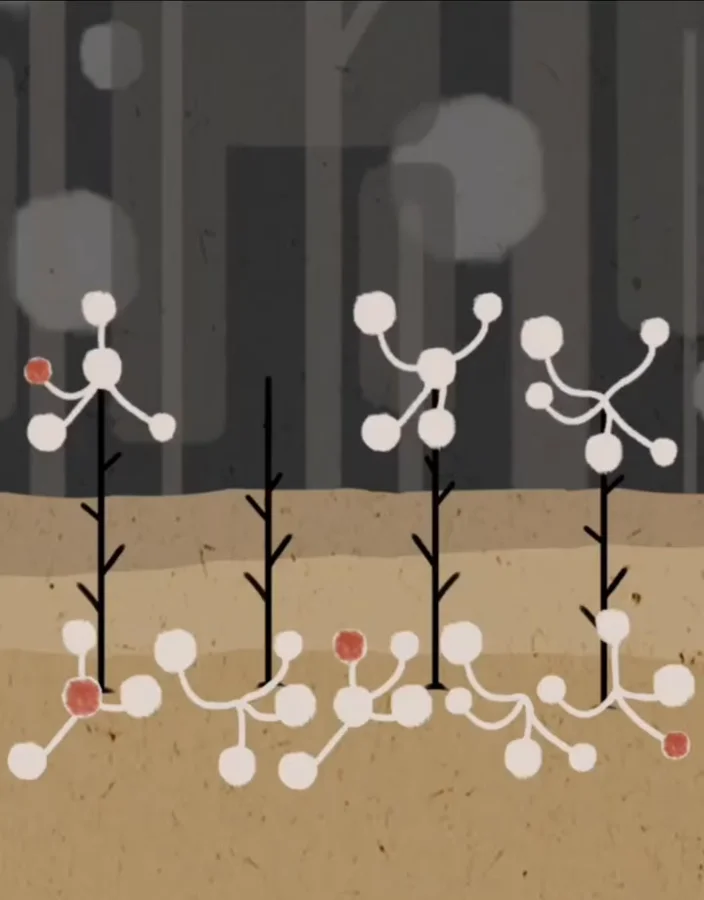
Four thin black stems rise from pale sandy ground in front of a dark striped background. White clusters have rounded tips connected by curved white stalks, with red spots on some of the round ends. Several clusters lie low across the ground, while others appear higher on the stems. Small black side shoots stick out along the upright stems.
Raise the White Clusters
Look at the loose flower heads near the bottom before trying to interpret their dots. Bringing them onto the four upright stems turns scattered pieces into a row you can compare with the letter grid.
- Locate the white clusters with red spots near the sandy ground.
- Carry the loose clusters upward and fit them onto the black stems.
- Arrange the four completed flowers as a single row.
- Compare the red dot positions with the letter grid to identify the sequence.
- Tap D, B, I, E in sequence and finish by pressing the flower button.
The black stems give the flower heads places to go, making the intended arrangement easier to see. A cluster lying near the ground is hard to compare with one already sitting higher up. Once the heads are on their stems, the red marks become the feature that separates one flower from another. Check the placement of the entire cluster, since the dot belongs to that piece and travels with it.
After raising the heads, inspect the row as a whole before you start reading individual marks. Getting all four flowers into place avoids switching between an unfinished arrangement and the parchment below. If the red spots suggest an unexpected order, revisit which cluster is on which stem. A neat row alone is not enough; the marked heads must also be arranged in the order that gives the intended clue.
Video: level 36 white flowers and red dots from start to finish
Follow the flower heads from their low starting positions onto the stems, then compare the red marks in the completed row. The clip includes the answer entry and the flower beneath glass at the end.

Match Each Red Spot
The red spots work as position clues, rather than as lines drawing capital letters. A flower head contains several white ends, and its marked end tells you which place matters. Compare that marked place with the letter layout beneath the picture. The resulting sequence starts at D, continues to B, moves to I and finishes at E. Keep the order of the flowers separate from the order in which the parchment lists its alphabet.
There are two different things to track here: which flower comes next in the assembled row, and which letter that flower points to. Reading all the topmost red marks first would mix those two jobs. So would sorting the letters alphabetically after you have identified them. Treat each completed flower as one clue, carry that clue across to its letter, then continue with the next flower. The black side shoots help identify the stems but do not add extra taps to the answer.
Check the Flower Placement
When the dots are hard to interpret, first look for a head left low on the ground. The starting picture includes flowers at different heights, so it is easy to think the arrangement is complete too soon. Use the four black stems as your checklist and inspect the whole row. Moving your attention to the answer letters before the heads are placed makes the clue much harder to follow.
If all the heads are raised but your entry fails, check the order of the clusters next. Swapping two heads swaps their red spot clues, even though the row still looks like four ordinary flowers. Compare their marked ends again, then check the tap order you used. The middle pair matters especially: B comes before I, while E is the final letter rather than a flower to read early because its dot looks central.
Frequently Asked Questions
Which letters solve Flower Forest level 36?
D, B, I, E is the answer for the white flowers with red dots. Move the flower heads onto their black stems, use the marked positions to read the clue, and enter the four letters in that order. Press the flower control when E has been entered to complete your attempt.
What should I drag in the white flower scene?
Drag the white flower clusters upward onto the four black stems. The heads scattered near the ground need to join the raised arrangement before their red spots make a useful ordered clue. Focus on the heads themselves, keeping each red mark with its surrounding white shape while you place it.
Are the red dots meant to draw D, B, I and E?
The red dots indicate letter positions within the flower clues rather than spelling the letters as red outlines. Compare the marked part of each arranged head with the parchment layout. Read the flowers in their row order, and keep each position match attached to the flower that supplied it.
Why does a finished row still give the wrong result?
The white clusters can be arranged in the wrong order on the black stems. A row can look complete while its red marks point to a different sequence. Recheck the placement of each marked head before changing your reading method, and keep the intended answer order beside you while comparing the flowers.
Where is the hint for the red dot puzzle?
The hint button sits beside the letter parchment below the flower scene. It provides a picture hint after an ad, which you can compare with your arrangement of white heads and red spots. Use it to check the visual clue, then return to the four letter sequence rather than adding extra taps.
Read next


The letter order for every level is in one table on the Flower Forest answers for all levels page. Official store links are on the download page.